
Before the Cleanse

Ease-In: preparing for Day 1.

Traditional Master Cleanse materials describe a gradual transition from regular meals into the cleanse period before Day 1 begins. Ease-In is the preparation stage of that process.

Use this guide to understand the traditional three-day progression, organize the ingredients you'll need and prepare for the routine ahead.

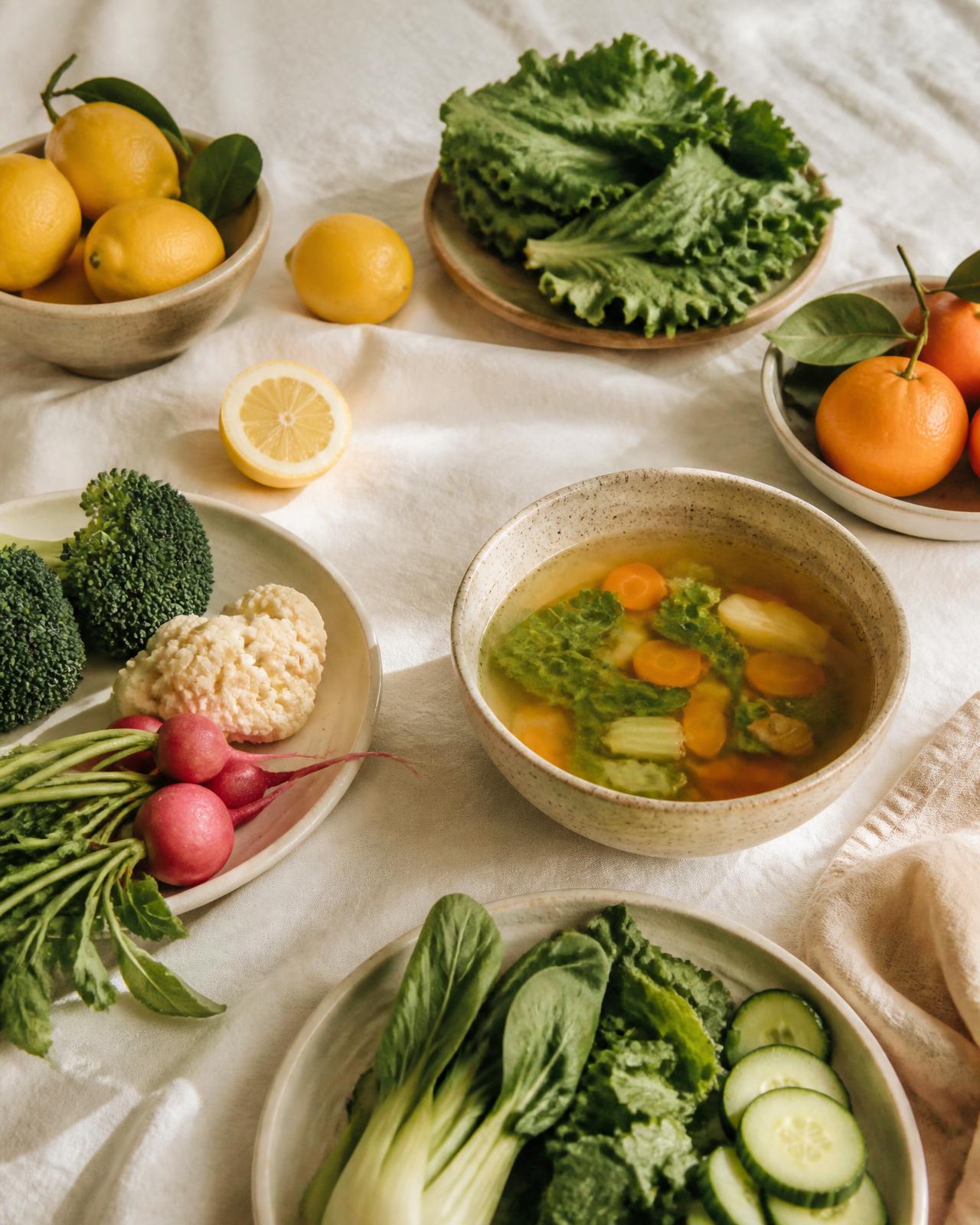
Fresh whole foods and a simple vegetable broth arranged in natural light

The Transition

Three days of gradual preparation.

The traditional Ease-In is commonly described as a three-day transition before beginning the lemonade period. Rather than moving directly from a normal eating routine into the cleanse period, the historical framework progressively simplifies food choices.

Ease-In is part of the traditional Master Cleanse framework. It should not be interpreted as a medically necessary preparation protocol or individualized dietary recommendation.

The 3-Day Progression

A gradual simplification of food choices.

Historical descriptions outline a three-day progression. Each day moves toward simpler, lighter foods before the lemonade period begins.

Day 1

Living Foods Day

Historical descriptions of the first Ease-In day generally emphasize fresh, minimally processed foods. Fruits, vegetables, salads and simple preparations are commonly referenced as the starting point of the transition.

Individual preferences and availability vary. The purpose is a gradual simplification rather than a strict menu plan.

Day 2

Juice, Broths & Soups

The traditional progression further simplifies food intake on the second day. Fresh juices, vegetable broths and light soups appear frequently in historical accounts as the middle stage of the Ease-In period.

This is not described as a way to 'flush toxins' or accelerate cleansing. It is simply the next step in the historical progression.

Day 3

Orange Juice Day

Historical Master Cleanse materials commonly describe orange juice as the final Ease-In stage immediately before beginning the lemonade period. Some sources use similar language for other simple juices, so wording and preparation details may vary between accounts.

As with the other days, this reflects traditional descriptions rather than a medically required protocol.

How It Looks

From regular food to the first day of the cleanse.

  1. Regular Food

  2. Simpler Whole Foods

  3. Juices / Soups

  4. Orange Juice

  5. Day 1 of the Cleanse

Before Day 1

Use Ease-In to prepare for what comes next.

The preparation period is a useful time to review the other parts of the traditional process before the cleanse period begins.

04

Read about Ease-Out

Know how the traditional process transitions back toward regular food before beginning.

Important Context

Preparation, not a promise of results.

Ease-In is historically described as a preparation period within the Master Cleanse process. The progression explains how traditional materials transition food intake before the cleanse period.

This guide does not present Ease-In as:

  • Detoxifying the body
  • Medically necessary
  • Preventing withdrawal
  • Guaranteeing an easier cleanse
  • Producing weight loss
  • Treating a medical condition

Individual circumstances, medications, medical conditions and nutritional needs can affect whether fasting or significant dietary changes are appropriate. Consider discussing significant dietary changes with a qualified healthcare professional.

Practical Questions

Common questions about Ease-In.

Is Ease-In required?

Historical Master Cleanse materials describe Ease-In as part of the traditional approach, but it is not framed as a strict requirement. Some sources emphasize it more than others.

How long does Ease-In traditionally last?

The traditional Ease-In is commonly described as three days. Some accounts mention shorter or longer preparation periods depending on the source and individual circumstances.

What is traditionally eaten on Day 1?

Day 1 is generally described as a 'living foods' day focused on fresh fruits, vegetables, salads and other minimally processed foods.

What is traditionally consumed on Day 2?

Day 2 commonly moves toward simpler liquids and light foods, such as fresh juices, vegetable broths and soups.

Why is orange juice traditionally referenced on Day 3?

Orange juice appears in historical descriptions as the final Ease-In stage before beginning the lemonade period. The reasoning given in traditional materials is practical and transitional rather than medical.

Can the Ease-In period be longer?

Some people choose a longer or more gradual transition based on their own circumstances. Historical sources vary in their recommendations.

What comes immediately after Ease-In?

After Ease-In, the traditional cleanse period begins with the lemonade mixture described in the classic recipe.

Next Step

When Ease-In ends, the cleanse period begins.

Day 1 begins the repeated lemonade routine described in the traditional Master Cleanse framework. Review the complete guide before moving into the cleanse period.